The Balearic regional ministry for Agriculture, Fisheries and the Natural Environment, through the Directorate General for Agri-food Quality and Local Produce, has approved an amendment to the product specification of the Protected Geographical Indication (IGP) Mallorca, with the aim of adapting wine regulations to new climate conditions, strengthening the wines’ link to the land and making progress in simplifying red tape for the sector. These amendments, published in the Official Gazette of the Balearic Islands (BOIB), introduce significant changes both to the technical requirements of the protected wines and to the rules on authorised varieties, the result of joint work with the sector and backed by scientific studies.
In the case of the protected designation of origin (DOP) Pla i Llevant – Mallorca, the amendment lowers the minimum total acidity of still and sparkling wines to 3.5 grams per litre of tartaric acid. This adjustment responds to the sustained rise in temperatures during the grape ripening period, which over the past 30 years has caused a natural decrease in the acidity of the must, according to a study by the University of the Balearic Islands (UIB).
In this regard, the director general for Agri-food Quality and Local Produce, Joan Llabrés, explained that the new rules reduce the need for artificial acidity corrections, which can cause stability problems and organoleptic changes, without this having a negative impact on the quality of the wine. Furthermore, the measure brings it into line with other quality schemes in climatically similar areas, such as some designations of origin in Catalonia and the Valencia region.
At the same time, the Order includes an administrative simplification measure that removes the obligation to renew each year the authorisations to state the vintage and the variety on wines with neither DOP nor IGP status. “More than fifteen years of management experience have shown that this requirement is not necessary and that the Administration has sufficient mechanisms to act against any misuse of labelling”, Llabrés stressed.
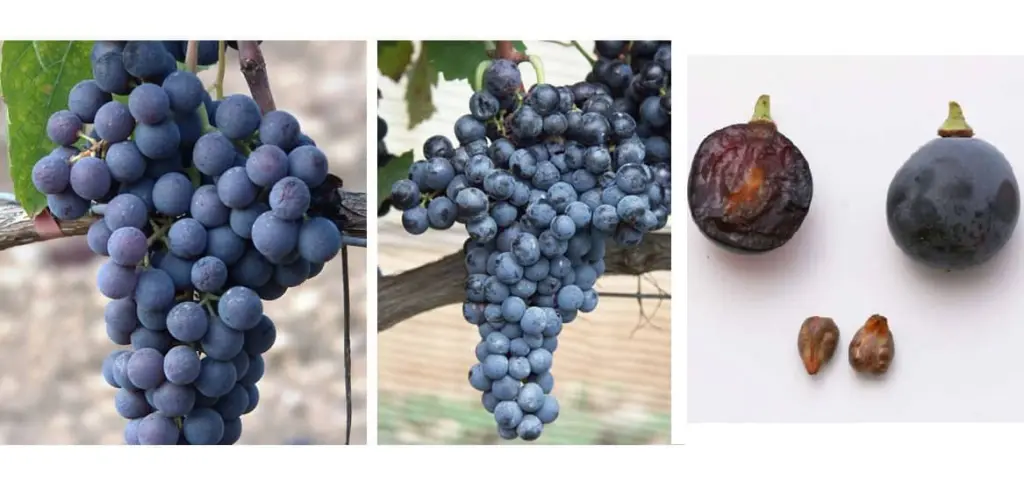
As for the IGP Mallorca, the new specification authorises the inclusion of the local varieties escursac, giró negre and esperó de gall as varieties suitable for winemaking. These are varieties whose presence on the island has been documented since the 19th century and which are deeply rooted in the land, and in recent decades they have been the subject of a recovery process by the sector.
“Wines made with these varieties have shown high quality, earning recognition from the specialist press and high scores in prestigious guides. They also offer distinctive aromatic profiles, especially red-fruit notes, and make it possible to produce wines with a more moderate alcohol content, in line with current market trends. In the case of escursac, high water efficiency has also been demonstrated, a key factor in the current climate context”, the director general emphasised.
The amendment to the specification also updates the description of the colour of red wines, to better reflect the current reality of the sector. In recent years, local varieties have become so prominent that, in 2024, more than 50% of the certified batches were made mainly from native grapes, which translates into wines with a more variable depth of colour, without this affecting their quality or prestige.
“With these amendments, we reaffirm our commitment to a wine sector that is better adapted to climate change, rooted in the land, competitive and with less administrative burden, while strengthening the identity and quality of Balearic wines”, Llabrés concluded.