For days now, claims have been circulating on social media that the European Union will force people to eat mealworm flour. This is false.
What has happened?
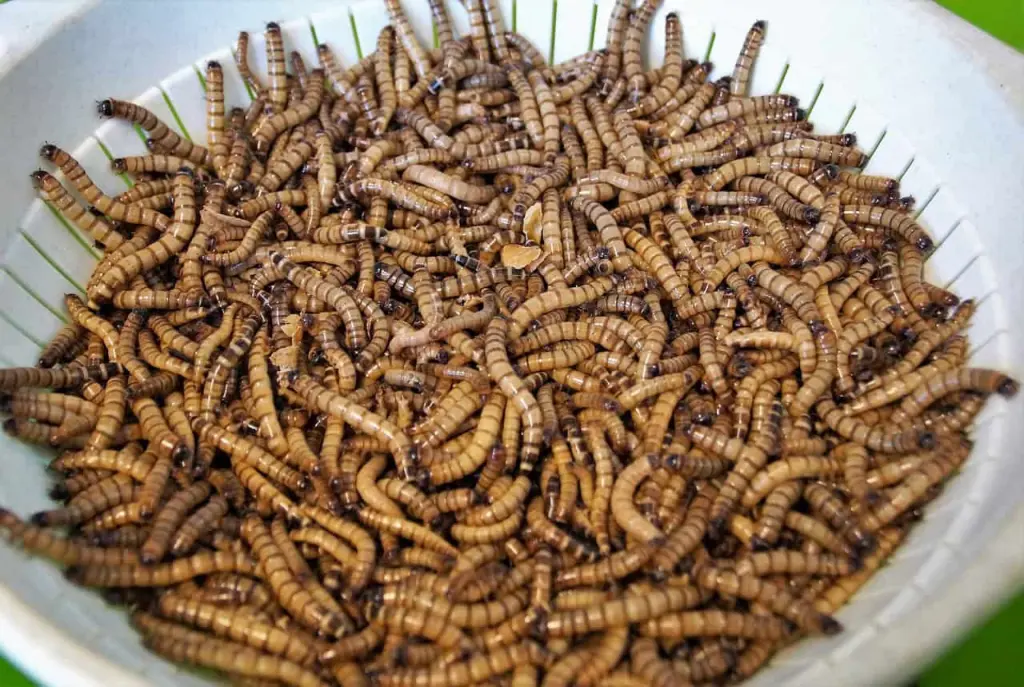
On 20 January 2025, the Commission authorised the placing on the market of UV-treated powder of whole Tenebrio molitor (yellow mealworm) larvae as a novel food. It is intended to be marketed as a food ingredient in a range of food products for the general population. The existing authorisations of these insects as novel foods will allow applicants to place the different insect species on the European Union market under certain conditions of use.
Why are they approving insects as food?
Novel foods are defined as foods that had not been consumed to a significant degree by humans in the EU before 15 May 1997, when the first Novel Food Regulation came into force. Although there is anecdotal evidence of insects being eaten as food in the past, no Member State has confirmed significant human consumption of any insect species before 15 May 1997.
What happened this month is one of the final steps in the procedure to authorise UV-treated powder of whole Tenebrio molitor (yellow mealworm) larvae as a novel food. The Member States gave the Commission the green light to allow a food business operator, which had applied for these authorisations, to place the product on the EU market. This has already happened with a number of insects such as the yellow mealworm, the migratory locust, the house cricket and the lesser mealworm, as well as the partially defatted powder obtained from whole Acheta domesticus (house cricket).
Will products containing insects be labelled?
The draft act sets out the labelling requirements for foods containing the novel food. This applies in addition to the requirements of the labelling regulation.
Will eating them be compulsory?
The European Commission stresses that it is up to consumers to decide whether or not they want to eat insects. Using insects as an alternative source of protein is nothing new, and insects are regularly eaten in many parts of the world.
Image: ivabalk on Pixabay