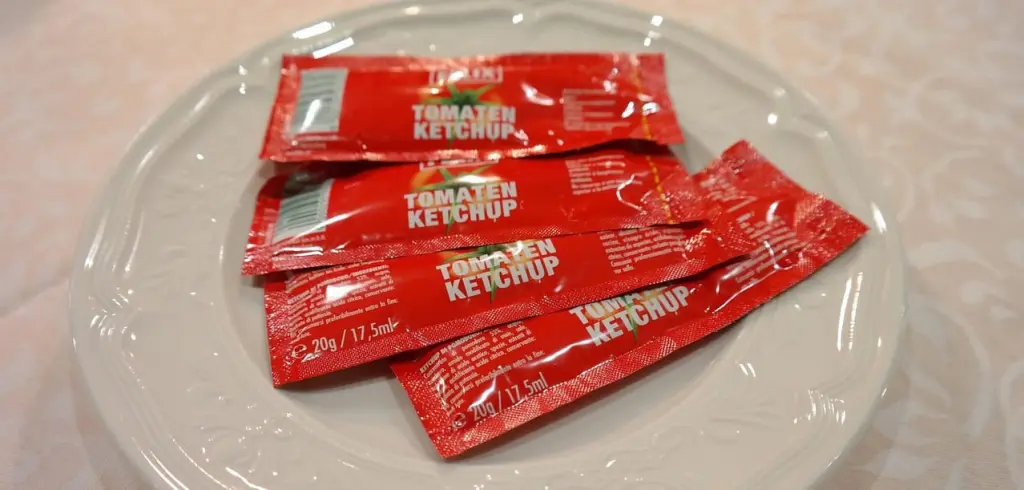
2026 will mark a turning point in Europe when it comes to single-use packaging. The reason is that from 12 August 2026, the classic single-portion sachets found on every bar counter —from sugar or salt to ketchup, mayonnaise, vinegar or butter— can no longer be used in bars, cafés, restaurants and hotels.
The EU regulation will require the HORECA sector (hotels, restaurants and catering) to replace these single-use formats with more sustainable alternatives, with the aim of drastically cutting the amount of plastic and paper waste it generates every day.
The Balearic Islands have been pioneers in the European Union in this respect, since in 2019 the regional Parliament passed the Waste Act, which banned single-use products such as straws, bags or packaging trays.
Now, the measure falls under European Regulation 2025/40, a new legal framework that aims to reduce dependence on individual packaging and move towards service models based on bulk products, refillable systems or reusable packaging.
Brussels considers that these small, apparently harmless sachets account for a considerable volume of accumulated waste, and that there are enough technical alternatives to do without them without affecting customer service.
For establishments, the change will mean rethinking deeply ingrained habits: they will have to review how they offer condiments and extras, invest in new dispensers or containers and adapt their hygiene and self-service protocols. At the same time, the European Commission argues that, in the medium term, reducing single-use packaging can lead to savings on purchases, simpler waste management and a better environmental image among customers who are increasingly aware of sustainability.
The packaging that may still be used will have to be made from recyclable materials; this means a ban on single-use plastics, on packaging containing perfluoroalkyl and polyfluoroalkyl substances (PFAS), and on packaging with bisphenol A (BPA) or heavy metals such as lead, cadmium and mercury. The regulation states that a material is recyclable when it allows secondary raw materials to be obtained of sufficient quality to replace virgin raw materials. In addition, it must be possible to collect and sort it into specific waste streams and recycle it on a large scale in facilities available in the European Union.